

Borrowed time, The Science of how and why we age
Event Date: Tuesday 21st April 2026 | Time: 7pm – 8pm
Curious minds
About this event
Borrowed time, The Science of how and why we age
The ageing of the world population is one of the most important issues facing humanity in the 21st century up there with climate change in its potential global impact. In 2017, the number of people over age 65 surpassed the number of young children below 5 years for the first time in history. The elderly remain the world’s fastest growing age group, and the strains on society are already evident as health and social services everywhere struggle to cope with their care needs.
But why and how do we age? Scientists have been asking this question for centuries, yet there is still no agreement. Competing theories range from the idea that our bodies simply wear out with the rough and tumble of living, to the belief that ageing and death are genetically programmed and even, provocatively, that ageing is a disease that we may be able to cure someday.
In Borrowed Time, I tell the story of science's quest to understand and ameliorate the effects of ageing. I focus on what’s going on at the most basic level of the cells and genes as the years pass to look for answers to why and how our skin wrinkles, our wounds take much longer to heal than when we were kids, and why words escape us at crucial moments in conversation.
Please head over to Crowdcast to register for this event:
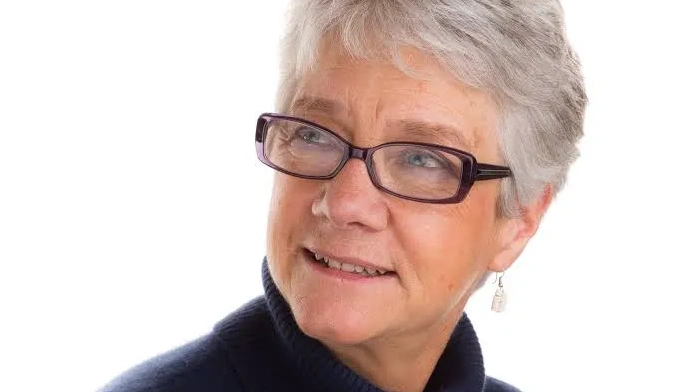
Meet the speaker - Sue Armstrong
Sue Armstrong is a freelance writer and broadcaster, specialising in science, health and development. As a foreign correspondent based in Brussels and then South Africa, she worked for (amongst others) New Scientist magazine and the BBC World Service radio. She has worked as a consultant writer for the World Health Organization and UNAIDS for more than 30 years and, as the human immunodeficiency virus (HIV) spread explosively in the early 1990s, she was commissioned by WHO to write the book “AIDS: images of the epidemic”, for which she reported from the frontline in many of the worst affected communities in Africa, Asia, and the Caribbean, as well as the UK and USA. Sue has researched, written and presented many feature programmes on science and health for BBC Radio. Her book “p53: The gene that cracked the cancer code” was shortlisted for the British Medical Association (BMA) book award in 2015.