From advice on preparing your vehicle to tips on driving in bad weather, our winter motoring guide will help you get through the cold season unscathed.
Winter in the UK is synonymous with bad weather, ranging from snow and ice to biting temperatures – all of which can make driving a real challenge. In a recent poll carried out by Isuzu, 73% of people surveyed said that they feel anxious about taking their car out in winter.
The good news is that you can massively reduce your chance of being involved in an accident or breakdown by taking the correct precautions, both before you leave the house and once you’re on the road. In this article, we’ll show you how to prepare your vehicle for winter – covering everything from choosing suitable tyres to making sure you have the right breakdown cover – and we’ll also give you some tips on how to drive in fog, snow and other hazardous conditions.
Some of the steps you’ll need to take may cost money, but as a Boundless member you can make substantial savings. To find out more, look out for the Boundless offers dotted throughout the article.
Already a Boundless member? Simply log in to gain full access to all the offers and benefits included in your membership.
Not yet a member? If you're working in or retired from the public sector or civil service, Boundless has two great membership options to choose from: Boundless and Boundless Plus. As well as getting access to exclusive events, Boundless members enjoy unlimited free or discounted entry to many of the UK’s top attractions, plus year-round deals on restaurants, holidays, shopping and much more.
How to prepare your car for winter
Credit: Getty Images
Make sure your tyres are up to the task
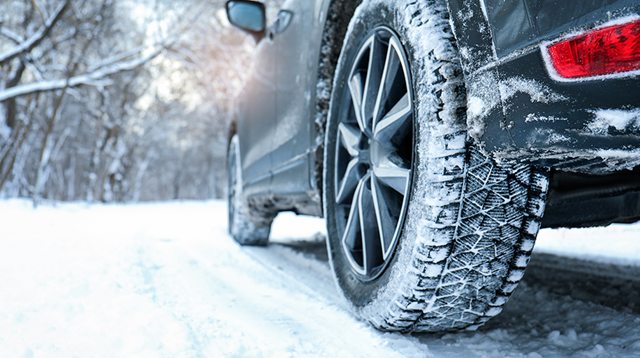
During the winter, roads can get very icy, so it’s important that your car has the appropriate tyres. While there’s such a thing as winter tyres, most people in the UK don’t bother to have them fitted during the cold season, preferring to keep the same tyres on all year round. This is understandable considering the weather here isn’t usually too extreme – however, it only takes a spell of freezing weather to render the roads hazardous, and summer tyres could get you into all kinds of trouble.
To avoid any problems, consider all-season tyres, which will give you the necessary grip to deal with icy surfaces, while maintaining solid performance during the warmer months.
You’ll also need to check your tyres’ tread and pressure before venturing out on a cold day. While 1.6mm is the legal minimum tread, the RAC says that tyres with a tread of 3mm offer up to 44% better braking distance in wet conditions. As for tyre pressure, that decreases as the temperature drops, so you’re advised to check it at least once a week during winter. If your tyres do need inflating, don’t do it while they’re warm (i.e. after a drive), as you’ll get a false reading.
Boundless offer: Members can get an 8.5% discount when ordering two or more new tyres from Blackcircles.com. The offer applies to all tyre brands.
Check your antifreeze
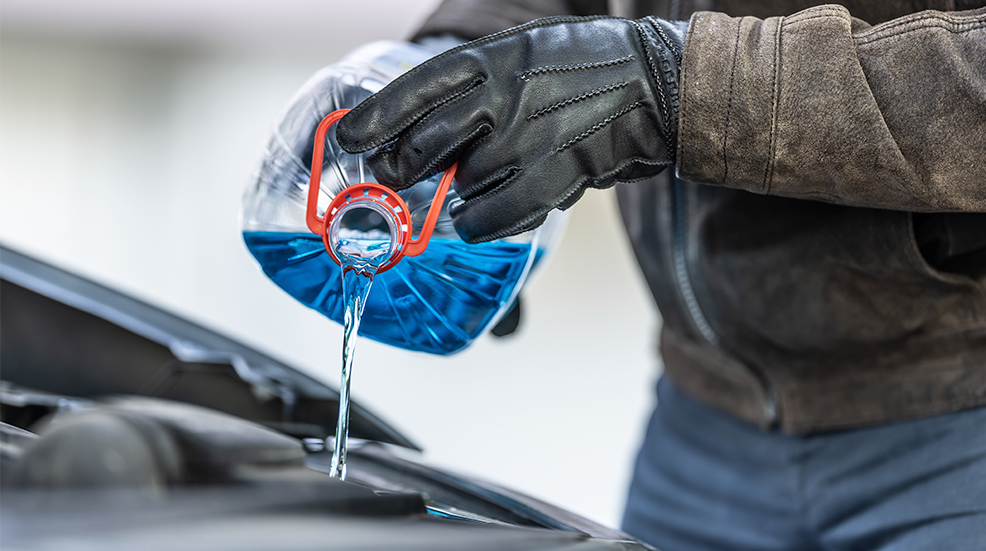
Antifreeze is a glycol-based liquid that’s added to the water in a car’s cooling system to prevent it from freezing in cold weather and overheating in hot weather. It plays a vital role in winter because if the water were to freeze, it would expand, potentially causing engine components to crack.
You should aim to top up your antifreeze twice a year, ideally before temperatures drop in winter and before it gets hot in summer (if you forget and you start to run low, a thermometer-shaped light will appear on your dashboard). To find out how to do it, and which type of antifreeze you’ll need for your vehicle, check out what the AA advises.
Consider a new battery
Cold weather reduces a car battery’s ability to hold power while increasing the engine’s demand for power, which can make older car batteries more susceptible to failing. So, if you’ve had yours a long time, and you’re worried it could cause issues, you might want to think about having a new one fitted. If not, you can preserve your battery during the winter by avoiding short journeys if possible, and parking your car in the garage if you have one.
Don't go out with dodgy breaks or lights
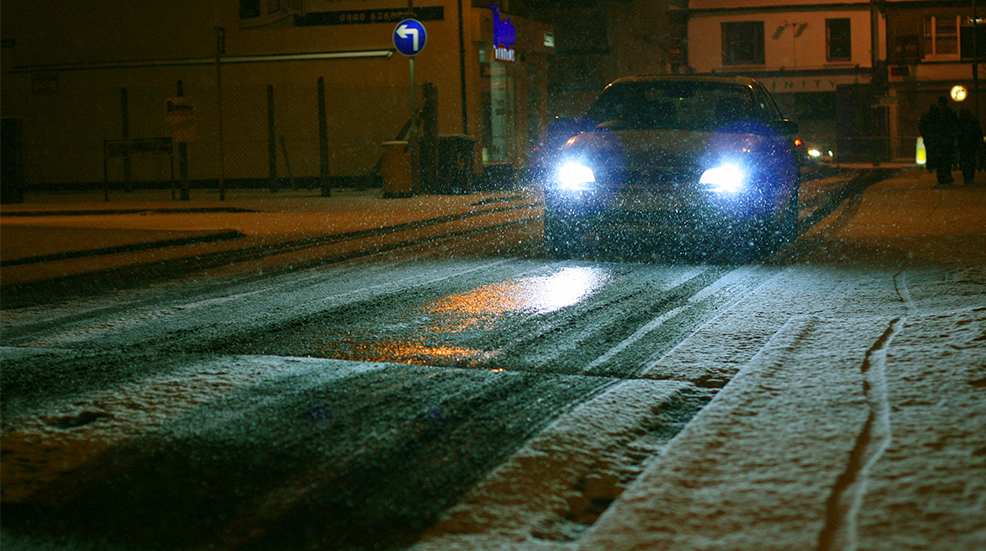
It goes without saying that your brakes and lights will need to be in good working order during the winter, when slippery road surfaces and reduced vision can make driving much more hazardous. For peace of mind, take your car in for a service before the cold weather really hits – it’s cheaper than you might think.
Credit: Getty Images
Sort your heating
Your car heater is obviously important as a means to keep you warm on those cold mornings. But more than that, it’ll help to clear the frost from your windscreen and prevent your engine oil from thickening, keeping things ticking over nicely under the bonnet. If you do have your car serviced, ask the mechanic to test your heater to make sure it’s working properly.
Try out your windscreen wipers
Not only is it illegal to drive with faulty windscreen wipers and/or washer system, but you’ll want them to be in good working order for the winter weather anyway. Imagine being caught in a blizzard with no way of clearing your view.
Speaking of windscreens, you’ll be only too aware that they regularly freeze over on winter mornings. Using boiling water to melt the ice is risky as it could cause the glass to crack. So invest in a scraper (this article by Car will help you find a good one) or a bottle of de-icer.
Boundless offer: Members can get 10% off a car service at Halfords, as well as a free MOT when you book a full or major service – a saving of up to £54.85.
Pack some supplies
It’s not just your car itself that you’ll need to get ready for winter, and it’s important to stash some emergency supplies in the boot in case you break down on your travels. Recommended items include the following:
- a thick coat or blanket
- a high-visibility vest or jacket
- a torch
- jump leads
- food and drink
- a shovel
Also make sure you have plenty of charge in your phone when setting off on a journey, as the last thing you want is to get stranded in the middle of nowhere with no way of calling for help.
Sort out breakdown cover
Last but definitely not least, you’ll want to ensure that help is at hand if you get yourself into a spot of bother. If you sign up to a breakdown service, you can travel safe in the knowledge that a qualified mechanic will quickly come to your rescue if your car decides to stop working for whatever reason.
Boundless offer: As a Boundless member, you can get exclusive discounts on Britannia Rescue, giving you access to reliable, 24/7 roadside recovery from just £44 a year. And if you sign up to Boundless Plus, you get Roadside Assist by Britannia Rescue absolutely free.
How to drive your car in the winter
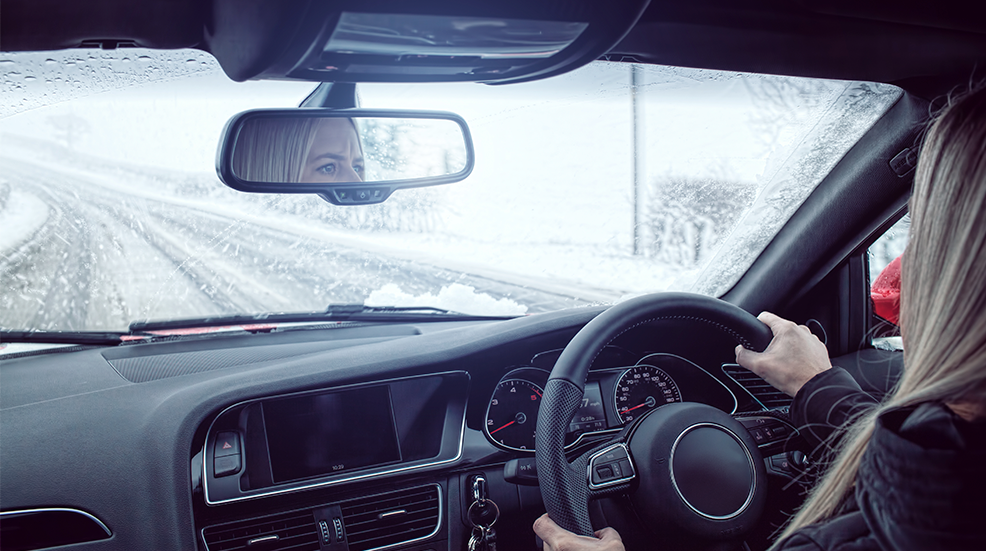
Credit: Getty Images
Wear dry shoes
If it’s been raining or snowing, make sure that the underside of your footwear is dry when you get in the car. If it’s not, your feet could slip on the pedals, causing you to lose control of the vehicle.
Choose the right gear
In snowy or icy conditions, pull away in second gear, gently easing your foot off the clutch. This will reduce the risk of wheel-spins, helping you to gain traction and move forward safely.
Take it easy
Not that you should do it at any other time of the year, but you certainly shouldn’t race around like Lewis Hamilton during the winter months. Aim to drive slowly and smoothly, with no sudden bursts of acceleration or braking. This will help you to maintain control in slippery conditions. To avoid having to drive in a rush, allow plenty of time for your journey.
Stick to main roads where possible
After heavy snowfall, major thoroughfares are usually the first to clear due to the number of vehicles using them. And when it’s icy, local councils tend to grit these roads in order to keep traffic moving. So try to plan your route around them, avoiding smaller roads or lanes that may still be hazardous.
Keep your distance
In bad weather, it’s always a good idea to leave plenty of room between yourself and the vehicle in front, as slippery road surfaces and impaired visibility can impact your braking efficiency.
Master skid correction
If the road is icy, there’s a chance that you skid at some point. If you do, don’t panic – simply take your foot off the accelerator, avoid braking and gently steer in the direction that the car is skidding. So, if the rear wheels are skidding to the left, turn the steering wheel to the left. Once you have things under control, steer in the opposite direction to straighten up, then accelerate gently to regain momentum.
Don't drive with a cold
It might sound like strange advice, but the AA advises you to avoid driving if you pick up a bout of winter flu. This is because it can reduce your reaction time, increasing your chances of having an accident.
Winter driving tips for EV owners
With more than 1.3 million electric vehicles currently on UK roads and 85% of UK drivers stating that they want to own one by 2030, it’s worth knowing how to manage an EV during the winter months.
The good news is that it isn’t much different to managing a petrol or diesel car – and in some ways, it’s easier. For example, you needn’t worry about your battery deteriorating in the cold weather as a lot of electric cars boast a pre-conditioning feature that enables you to warm the battery while the car’s on charge. This means that by the time you set off, the battery is at the optimum temperature, improving its efficiency and range. (On the downside, the cold weather will persuade you to use the heater a lot more, which will eat into your battery life and reduce your range – so bear that in mind when planning long journeys.)
Secondly, many EVs come with a traction control that’ll help you to maintain stability on slippery surfaces. That doesn’t mean you’ll never skid, however, and if you do happen to slip on the ice, you should follow the advice in the section above.
Otherwise, the advice is much the same – take care, take your time, and if it’s really bad out there, only drive if you absolutely have to.
Do more with Boundless
If you're working in or retired from the public sector or civil service, Boundless has two great membership options to choose from: Boundless and Boundless Plus.
With Boundless, you get unlimited access or discounted entry to many of the UK’s top attractions, including Kew Gardens and Wakehurst and WWT centres across the UK, as well as year-round deals on restaurants, holidays, shopping and much more.
With Boundless Plus, you can enjoy additional benefits including unlimited access to Historic Royal Palaces sites, National Trust for Scotland places, access to The Ramblers' extensive walking community, and peace of mind with roadside assistance and local recovery by Britannia Rescue.
 Driving
 Tips
Tips