From supermoons and meteor showers to planets and galaxies, there’s always something different for an amateur stargazer to observe.
Every aspiring stargazer knows that the night sky is constantly changing. What you can see throughout the winter months is massively different to what’s visible in the summer, while the constant movement of the planets means that every year brings its own unique selection of astronomical treats.
This guide is here to accompany you through a year of sky watching, revealing the meteor showers, eclipses, supermoons and other phenomena you’ll want to be looking out for in 2026.
We can’t guarantee the skies will remain cloud-free, of course, but if the weather plays ball you can look forward to one of the greatest shows in the universe.
Jump to what you can see in the night sky in:
What to look out for in the night sky in January
Credit: Jonny Gios vis Unspalsh
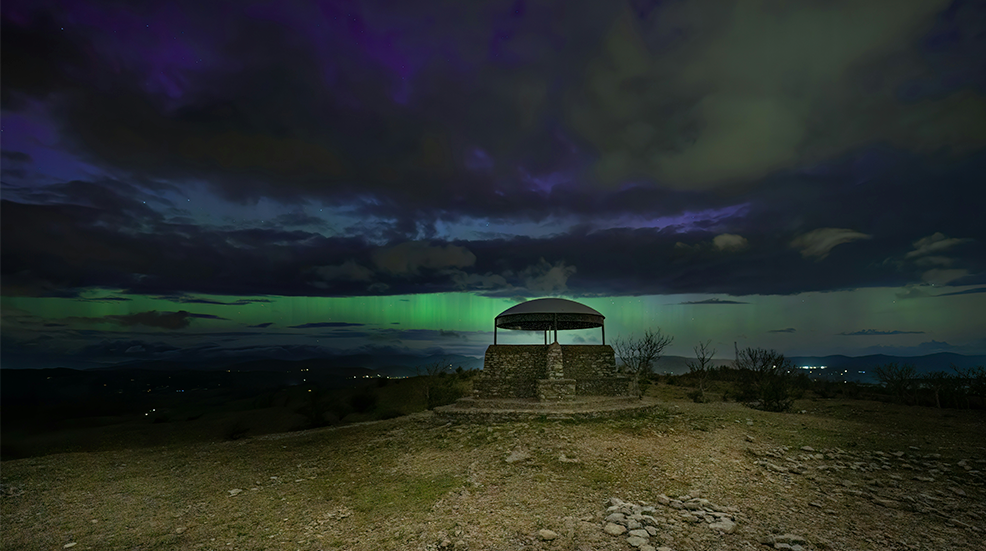
Aurora Borealis
The Aurora Borealis (or Northern Lights) are caused by charged solar particles colliding with Earth’s atmosphere.
They’re traditionally associated with more northerly latitudes, but right now – with the sun’s activity cycle close to its 11-year-peak – they can sometimes be sighted in the UK.
Orion
Arguably the most prominent (and famous) constellation of the UK winter sky, Orion (aka “the Hunter”) is at its magnificent best in January.
The three stars of the constellation’s famous belt can also be used to navigate the heavens – trace a line through them to the left and you find Sirius, the brightest star in the night sky; head right and you’re in Taurus (“the Bull”), home to the beautiful Pleiades star cluster.
Quadrantid meteor shower
You can see sporadic meteors (shooting stars) at any time of year, but they’re so random that spotting them is pure luck. Chances of a sighting increase significantly during a meteor shower, when the Earth’s passage through regions of cosmic debris creates a light show in the sky.
The first shower of the year, the Quadrantids, takes place in the constellation of Boötes (“the herdsman”), and peaks from 3-4 January.
What astronomical events are happening in February?
Credit: Akbar Nemati via Unsplash
Planetary line-up
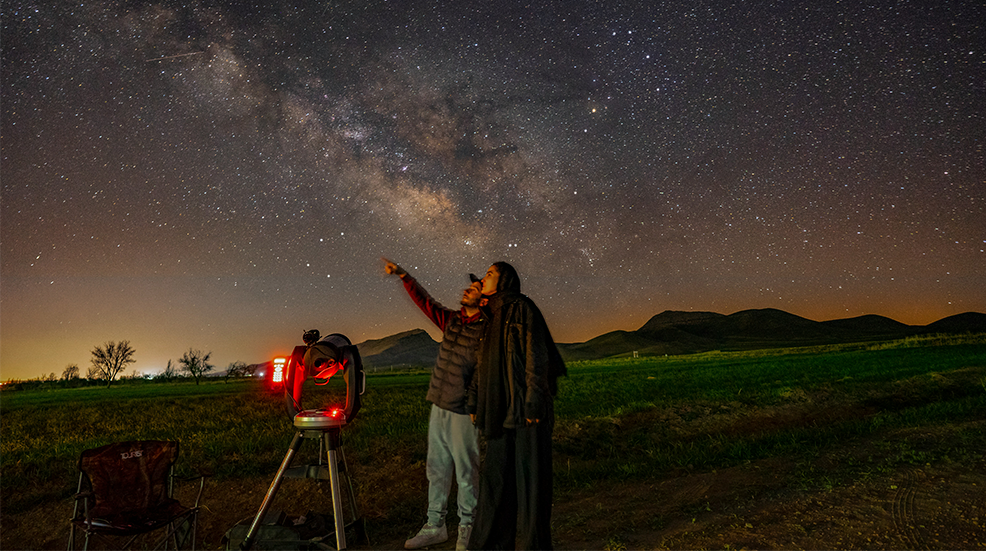
Six of Earth’s Solar System neighbours will be putting on a show around 28 February 2026, as the planets Mercury, Venus, Neptune, Saturn, Uranus and Jupiter line-up in the evening sky.
Even if cloud cover is minimal, however, you’ll need binoculars or a telescope to see Uranus and Neptune, while Mercury (which never rises far above the horizon) is notoriously difficult to spot.
What to look for in the night sky in March
Vernal equinox
An important marker of the seasons, the vernal equinox marks the moment the sun crosses the equator from south to north, signifying the start of spring in the northern hemisphere. This year it takes place on 20 March 2026.
April astronomical events to discover in the night sky
Credit: Guryan via Pexels
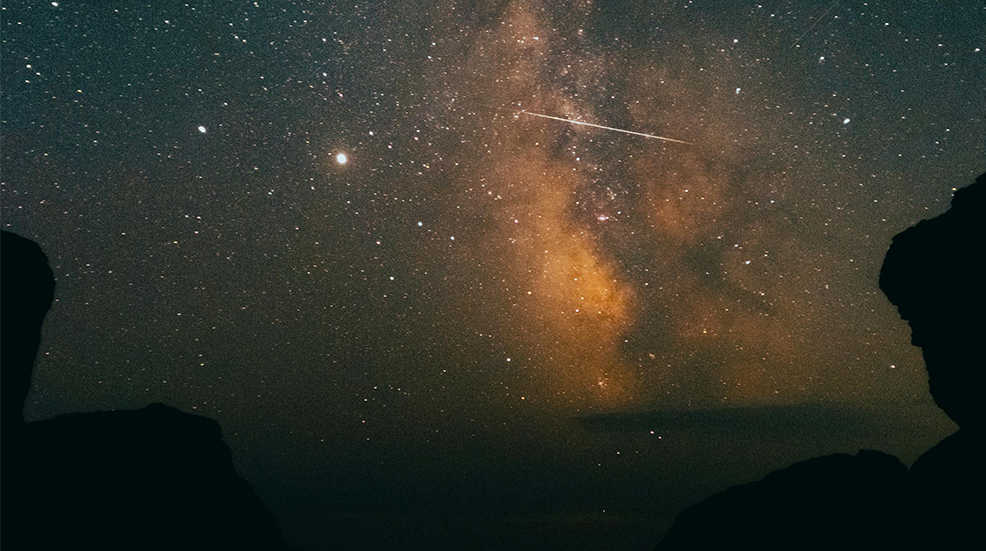
Galaxy season
In astronomy circles, spring is widely regarded as “galaxy season”, because the position of the Earth is ideal for viewing areas of the sky containing plenty of galaxies – zodiac constellations Leo and Virgo are particularly packed.
Bear in mind, though, that you’ll need binoculars at the very least (telescopes are preferable) to see them.
Boundless offer:
With a Boundless membership, you can make use of our shopping discount cards and shop at over 100 popular brands, including Argos, John Lewis, Currys, and B&Q, all of which sell telescopes.
What you can see in the night sky in May
Credit: Nikola Tomašić via Pexels
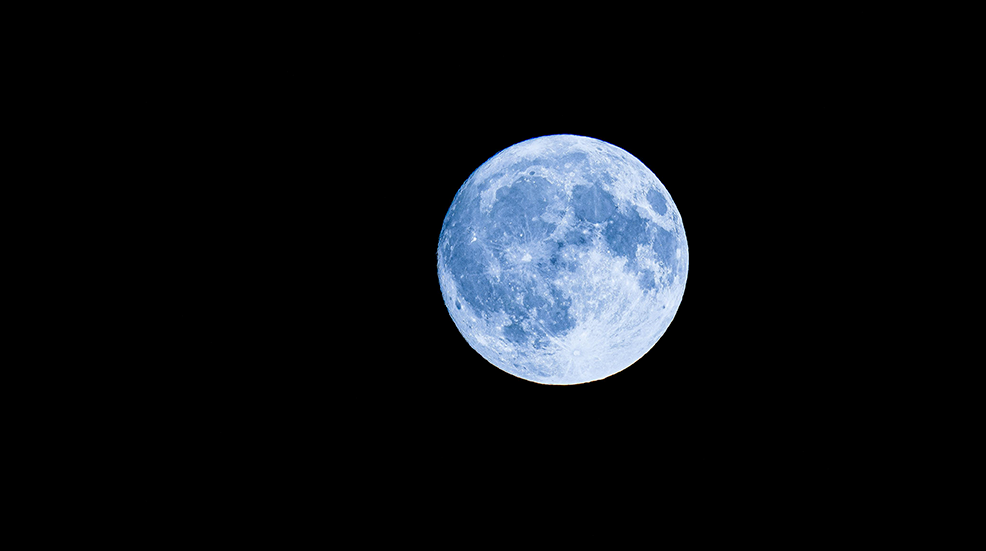
Blue moon
Everyone’s familiar with the phrase “once in a blue moon” – and in May we’ll actually see one! “Blue moon” is the name given to the second full moon in a calendar month (a relatively rare occurrence), and will take place on 31 May 2026 following the previous full moon on 1 May.
Astronomical events to look for in the June night sky
Credit: Getty Images
Conjunction of Venus and Jupiter
In astronomy, a conjunction is when two distant objects – such as planets – appear to be very close together. Venus and Jupiter are two of the brightest objects in the sky, so their conjunction on 8 June 2026 should be a spectacular sight.
Milky Way
Find yourself in a dark enough sky and the Milky Way, the band of light marking out the plane of the galaxy we call home, is truly beautiful. June is one of the best times to view it, as the galactic core (a vast concentration of stars at the centre of the Milky Way) rises in the summer sky.
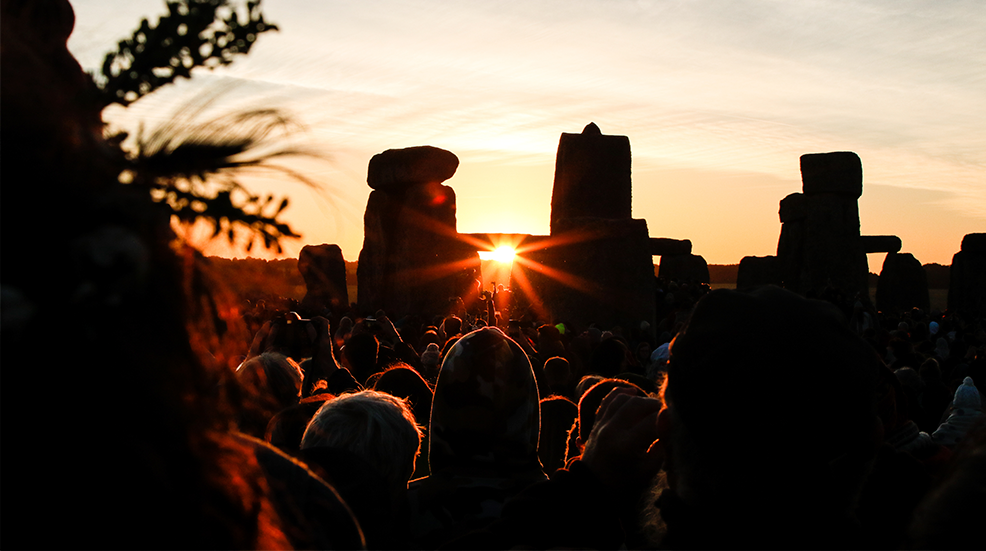
Summer solstice
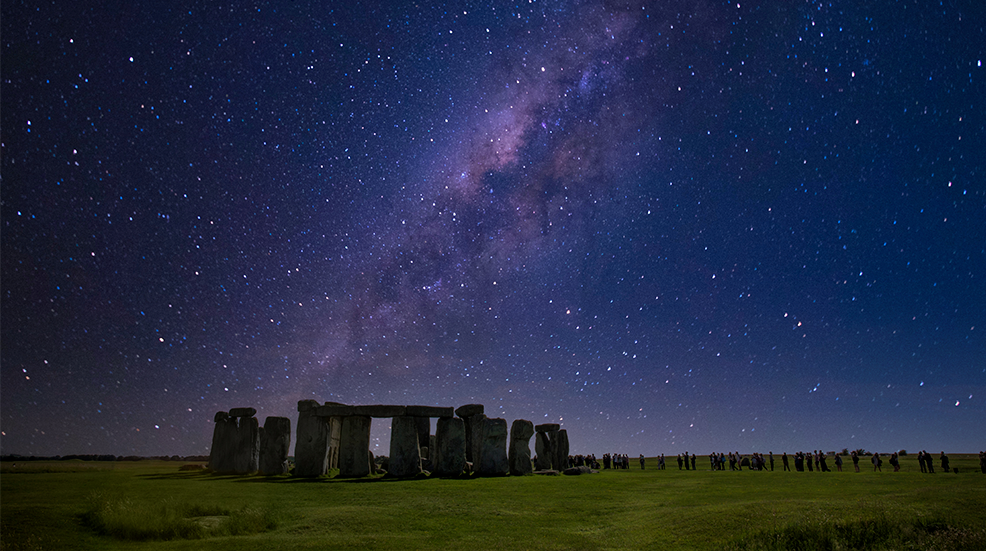
Stonehenge was built to align with the annual solstice, which – from an astronomical perspective – indicates the point when the sun is at its furthest north of the equator. It takes place on 21 June 2026.
What can you see in the night sky in July?
Credit: ARMAN ALCORDO JR. via Pexels
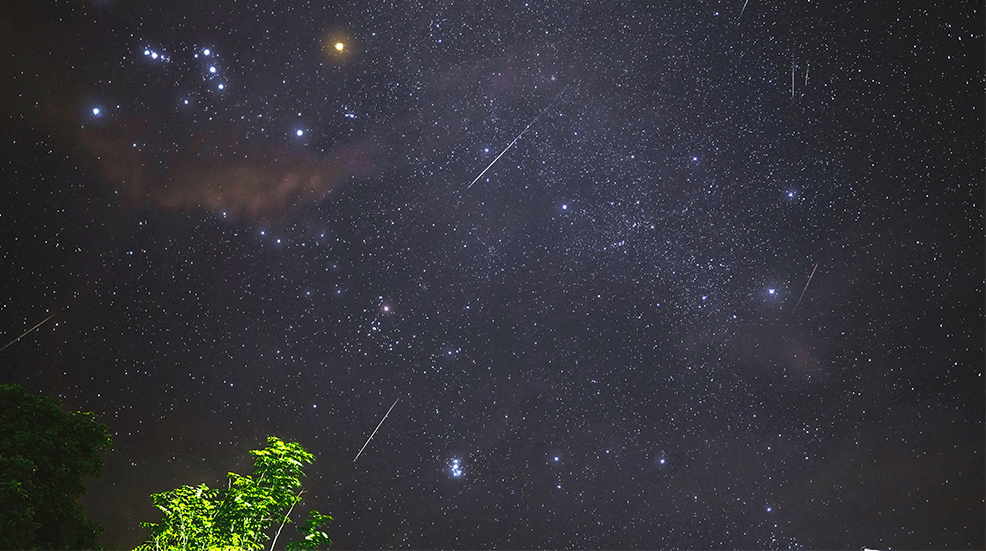
Perseid meteor shower
Sometimes delivering up to 150 meteors per hour at their most active, the Perseids (found in the constellation of Perseus) are among the most impressive of the annual meteor showers. In 2026, their 12-13 August peak coincides with a new moon, so viewing conditions could be ideal.
The Summer Triangle
Three of the northern hemisphere’s brightest stars (Vega, Deneb and Altair) comprise this instantly recognisable “asterism” (it’s not technically a constellation), most prominent through the summer months.
August astronomical events to look for
Credit: Sebastian Voortman via Pexels
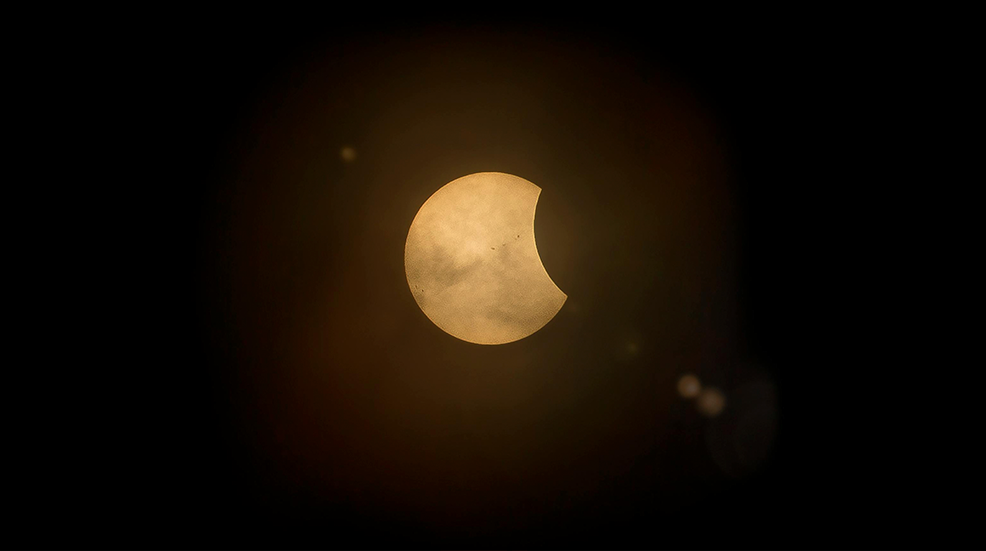
Partial solar eclipse
Solar eclipses take place when the Moon passes in front of the Sun, temporarily obscuring its light.
On 12 August 2026, a partial solar eclipse (covering 90% of the Sun at its maximum) will be visible from the UK, while some areas of Europe (including Iceland and northern Spain) will see a total eclipse.
REMEMBER: Looking directly at the Sun, even during an eclipse, can damage your eyesight.
Boundless offer:
Boundless members should keep an eye on their local supermarket for special solar eclipse glasses, with the opportunity to save 3.5% at many popular supermarkets with our shopping discount cards.
Greatest elongation of Venus
Because Venus is closer to the sun than the Earth, it’s only visible just before sunrise or just after sunset. 15 August 2026 is the date of Venus’s “greatest elongation”, meaning the planet is at its furthest from the sun – and therefore viewable for longer in the night sky.
Partial lunar eclipse
In a lunar eclipse, the Earth temporarily blocks the Sun’s light from the Moon. A partial lunar eclipse will be visible from the UK on 28 August 2026.
The September astronomical events occurring in the night sky
Autumnal equinox
The sun passes back across the equator, returning to the southern hemisphere on 23 September 2026.
What October astronomical events are occurring in the night sky
Saturn in opposition
A planet in “opposition” is directly opposite to the sun relative to the Earth, and – thanks to all the light reflecting off its surface – tends to look especially bright to observers. Saturn is in opposition on 4 October 2026, making this an ideal opportunity to view the planet – small telescopes can show you a hint of its famous rings.
What can you see in the night sky in November?
Credit: Getty Images
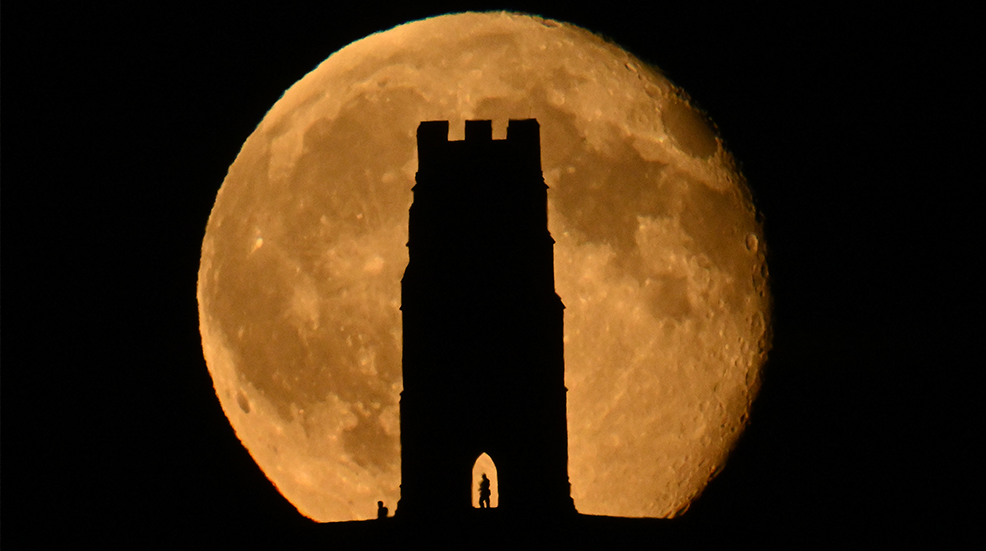
Supermoon
Supermoons take place when the moon is full and at its closest to Earth, making it appear bigger and brighter than usual. The second supermoon of 2026 (the first was in early January) takes place on 24 November 2026.
What astronomical events are happening in December?
Credit: Getty Images
Germinid meteor shower
Renowned for their brightness, the Geminid meteor shower (look to the constellation of Gemini) peaks around 14 December.
Winter solstice
The sun reaches its lowest point in the northern sky on 21 December 2026.
Supermoon
Just in time for Christmas, there’s a second supermoon in as many months on 24 December 2026.
Do more with Boundless
If you're working in or retired from the public sector or civil service, Boundless has two great membership options to choose from: Boundless and Boundless Plus.
With Boundless, you get unlimited access or discounted entry to many of the UK’s top attractions including Kew Gardens and Wakehurst and WWT centres across the UK, as well as year-round deals on restaurants, holidays, shopping and much more. With Boundless Plus, you can enjoy additional benefits, including unlimited access to Historic Royal Palaces sites, National Trust for Scotland places, access to the Ramblers' extensive group walks and routes, and peace of mind with roadside assistance and local recovery by Britannia Rescue.
 Camping
 Hobbies
 Science
 Tips
Tips